The Honest Paternalism of Sectoral Bargaining
Littler attorney Alex MacDonald argues the Harvard Center’s new sectoral bargaining proposal is remarkable mostly for what it admits: worker choice was never the point.
Read More
Select Page

Posted by Michael VanDervort | Sep 9, 2026 | Collective Bargaining, Labor Relations Insight, Left of Boom Show, Legal, Legal, Local, Podcast, Sectoral Bargaining, States, Trending, Union Organizing
Littler attorney Alex MacDonald argues the Harvard Center’s new sectoral bargaining proposal is remarkable mostly for what it admits: worker choice was never the point.
Read More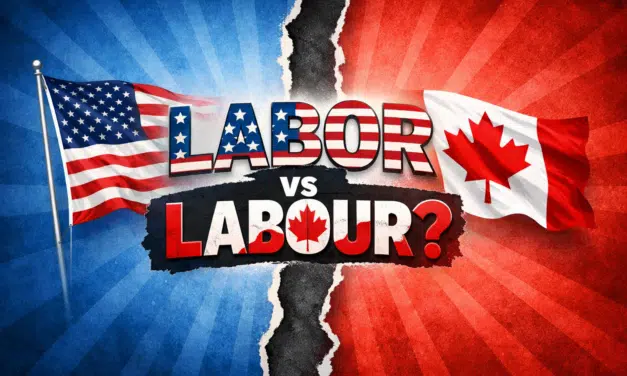
Posted by Michael VanDervort | Mar 19, 2026 | Federal, Labor Relations Ink, Labor Relations Insight, Left of Boom Show, Legal, Local, Podcast, Trending, Union Organizing
Phil Wilson and John Mortimer appeared on The Left of Boom Show to look at how U.S. and Canadian labor law actually compare and the one thing that works on both sides of the border.
Read More
Posted by Kimberly Ricci | Mar 4, 2025 | Courts, Gig Economy, IAM, Industry, Labor Relations Ink, Labor Relations Insight, Leadership, Legal, Local, News, SEIU, States, Union Leaders, Unions
Today, we are talking about Big Labor’s goal to unionize rideshare drivers in Minnesota and other states.
Read More
Posted by Kimberly Ricci | May 23, 2024 | Bargaining/Negotiations, Cannabis, Culture, Federal, Industry, Labor Relations Ink, Labor Relations Insight, Leadership, Left of Boom Show, Legal, Local, Podcast, Politics, Retail, States, UFCW, Union Avoidance, Union Organizing, Unionized Company, Unions
Unique concerns exist for cannabis employers whose retail workers, growers, and producers could be – and are being – solicited for third-party representation
Read More
Posted by Kimberly Ricci | Mar 25, 2024 | Gig Economy, Industry, Labor Relations Ink, Labor Relations Insight, Legal, Local, Lyft, Minimum Wage, SEIU, Service Industry, States, Trending, Uber, Unions
It’s a familiar sight these days: supposedly well-meaning lawmakers, often lobbied by unions, believe they are helping workers by substantially boosting the minimum wage. Companies must then pull rabbits out of hats to afford increased labor costs, which leads to higher prices for consumers, decreased demand, and less available work.
Read More