In a new feature for SHRM, titled Why Gen Z’s Desire for Community Has Labor Relations Implications, Kimberly Ricci examines a key reason why younger workers are turning to unions to fill a specific need.
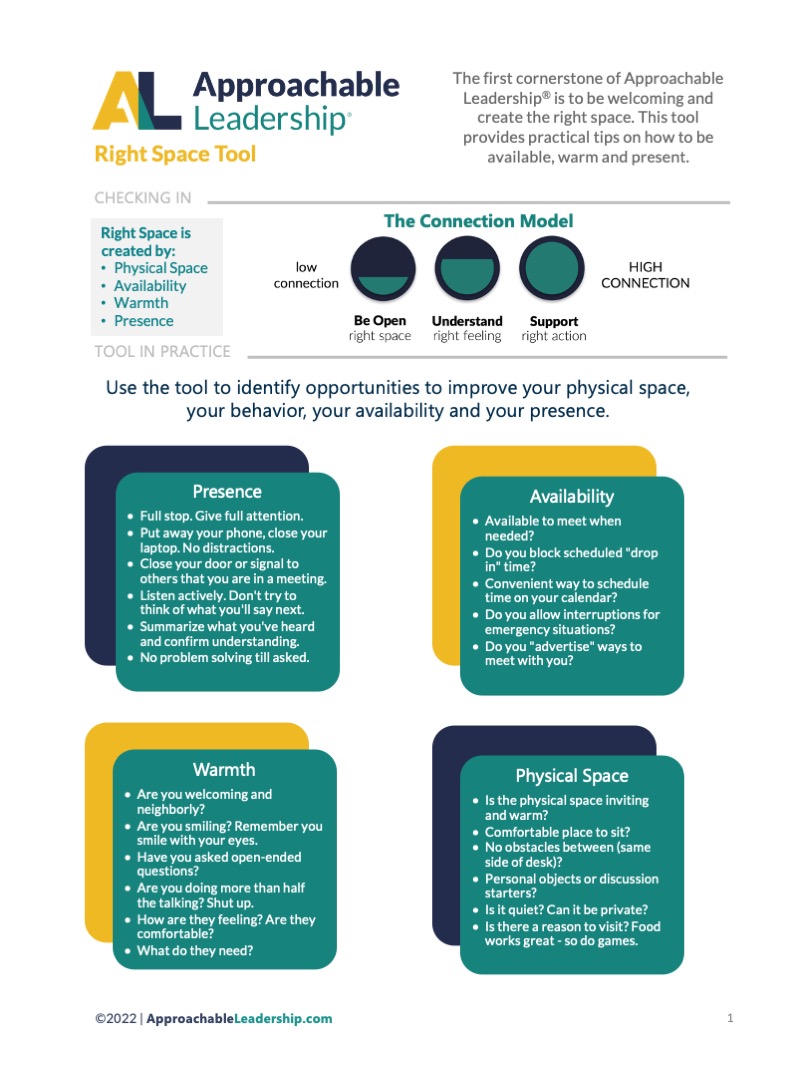
Quite simply, Gen Z’s hunger for community and belonging at work has direct labor relations consequences. When employers don’t provide it, unions will fill the vacuum.
The belonging data examined in the SHRM article:
- 75% of employees feel excluded at work
- 56% of Gen Z workers want more socializing opportunities; 85% say workplace friendships increase engagement
- Gallup links elevated stress in younger workers directly to disengagement
Gen Z’s union vulnerability:
- 45% of workers under 30 are “union curious,” i.e. more open to third-party representation
- Low union density means fewer Gen Z workers have parents with firsthand union experience to balance organizing messaging
More notes for employers:
- Gen Z is becoming a dominant workforce presence as Baby Boomers retire
- Building genuine community addresses the underlying need before a union campaign frames itself as the solution
Read the full article on SHRM: (membership required)
Why Gen Z’s Desire for Community Has Labor Relations Implications