A UK-based union think tank, Unions 21, recently published a piece on union workforce technology infrastructure.
The piece lays out a blueprint for how unions should structure their data systems, case management tools, communications platforms, and financial infrastructure. The framing: unions have been running on legacy systems built for compliance and reporting, and they need to rebuild around organizing and bargaining.
The main takeaway from the article: a union that doesn’t know what workers are thinking can’t organize or represent them.
This is equally true for business. An employer that doesn’t know what its workforce is thinking can’t see what’s coming when it comes to organizing.
What Unions Say They’re Building
The piece describes a tech stack that would include a CRM built not just to track dues but to map workplaces, identify activists, track conversations, and run digital organizing campaigns. Case management systems that escalate individual grievances into bargaining priorities. Communications infrastructure designed for two-way dialogue, with data showing who is engaging and who isn’t.
Density trend dashboards. Real-time visibility into where union strength is falling or growing, by workplace, by sector, by demographic.
That’s the stated goal. Whether execution ever matches ambition is a separate question. But the intent is worth understanding.
The Mirror Image
Everything described for unions has a direct counterpart in an employer’s ecosystem. Not to surveil workers, but to understand their needs and feelings, help them resolve concerns in a healthy way, and give them a reason to stay out of a third-party relationship.
But here’s what the data can’t do on its own: take action to fix problems.
Your HRIS can flag a location with rising turnover. Your engagement survey can show a team scoring low on trust in leadership. Your issues log can show that a supervisor is generating three times as many complaints as anyone else in the building. None of that moves until a frontline leader has a conversation or takes action. And in many organizations dealing with union organizing, those conversations never happened.
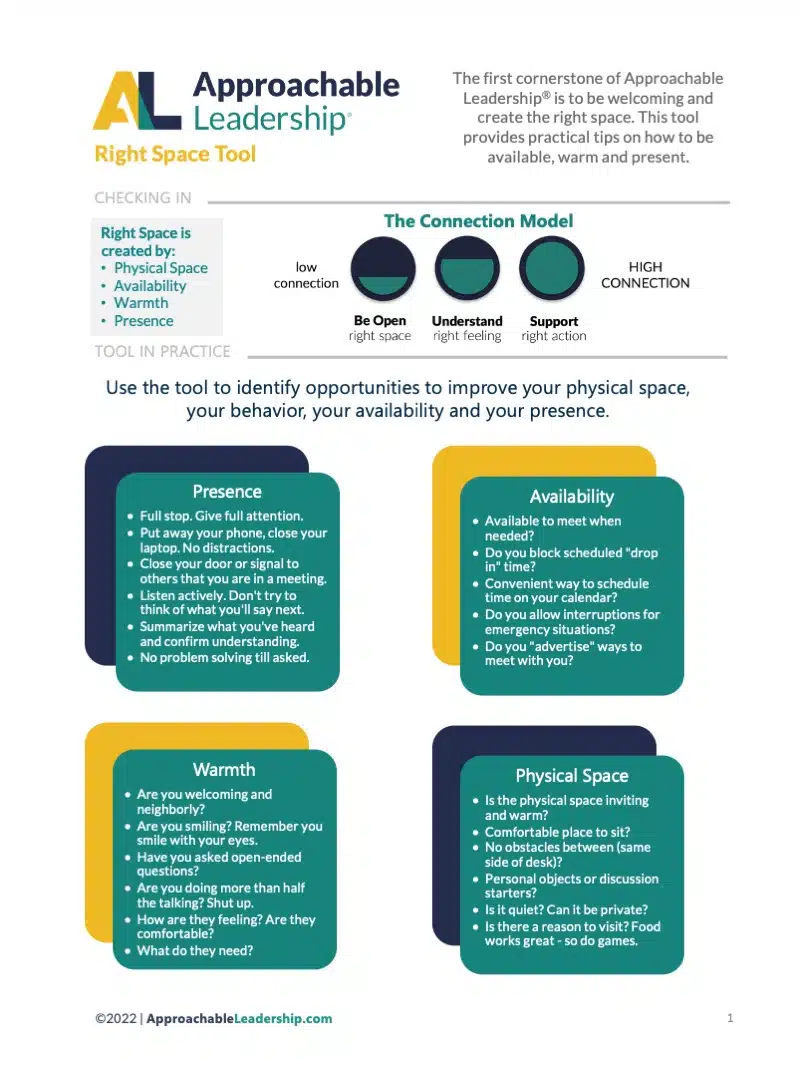
Not because managers don’t care, but because they were promoted for operational competence rather than their relational skills. Nobody told them that understanding what their people are thinking is a key part of the job.
Unions know this. Their organizing model is built entirely on the conversation your supervisor didn’t have. The card signing doesn’t start with a slick campaign. It starts with one worker who feels unheard, finds someone who listens, and tells two more people.
The secret sauce isn’t just better data. It’s frontline leaders who know how to use the workforce intelligence they’re given, and who are equipped, expected, and held accountable for having conversations that keep trust from going quiet.
Four Principles, Translated
The Unions 21piece offers four principles for unions building their technology stack. Each one applies directly to employers.
Your Data Is Your Intelligence
Your HRIS, engagement survey, turnover data, and issues log shouldn’t be separate administrative systems. They should feed a picture of your workforce that someone is reading, and that your supervisors can use to identify concerns early.
Technology Should Follow the Work, Not Define It
Employers adopt engagement platforms for the same bad reasons unions pick the wrong CRM. The vendor makes a compelling pitch. A peer company is using it. The result is a tool that shapes how you work instead of solving a problem you’ve diagnosed.
Communications Infrastructure Is Organizing Infrastructure
If your communication with employees is broadcast-only, you don’t know what they think. You know what you said. Two-way dialogue isn’t a tone preference. It’s a structural choice that requires platforms, data, and a genuine commitment to acting on what you hear.
Integration Is a Strategic Choice, Not a Technical Detail
Every silo between your HR systems, your manager data, your communications function, and your ER team is a source of friction. This friction can cost you the early warning you needed six months ago.
The Gap Worth Closing
Unions 21 is describing what unions should aspire to build. Many employers aren’t where they should be either.
Employers who build this capability early will have a significant advantage over those who don’t, and over unions that outpace them on intelligence. They’ll see what’s developing before it develops. They’ll know where to put resources. They’ll understand their workforce as something more than a headcount.
The question isn’t whether to build that capability. It’s whether you build it before or after you need it. LRI Consulting Services works with employers to build the employee relations infrastructure that enables early awareness. Start the conversation at lrionline.com/contact-us
Frequently Asked Questions
What are unions doing with technology right now?
The most sophisticated unions are building integrated platforms that map workplace relationships, track activist development, connect grievances to bargaining strategy, and generate real-time visibility into where organizing campaigns should focus next.
We already do engagement surveys. Isn’t that enough?
A survey is a snapshot. It tells you what people said on one day, in one format, to a question you chose to ask. The intelligence gap isn’t about data collection. It’s about whether your systems connect, whether someone is reading what they produce, and whether your frontline leaders are equipped to act on what they find.
Where do frontline supervisors fit into this?
They’re the most important variable in the equation. Data can tell you where trust is thin. Only a supervisor can do something about it. Organizations that invest in data infrastructure without investing in the relational skills of their frontline leaders have built a dashboard nobody drives.